The Day the Craft Has to End: What No One Tells First-Time CEOs
The Day the Craft Has to End
Six weeks into the CEO seat, I caught myself rewriting product copy at 11pm. It was a category page. Twelve lines. I had a designer, a copywriter, and a head of merchandising on payroll. None of them had asked me to touch it.
But the headline read wrong to me. I knew the verb was weak. I knew it would convert better if it was sharper. I had built twenty years on that instinct. The good headline. The good frame. The good user flow. Craft, in the way the Japanese mean it. Years of small decisions stacked into taste.
I rewrote the page. I felt proud for forty seconds. Then I felt sick.
Because the company did not hire me to write headlines.
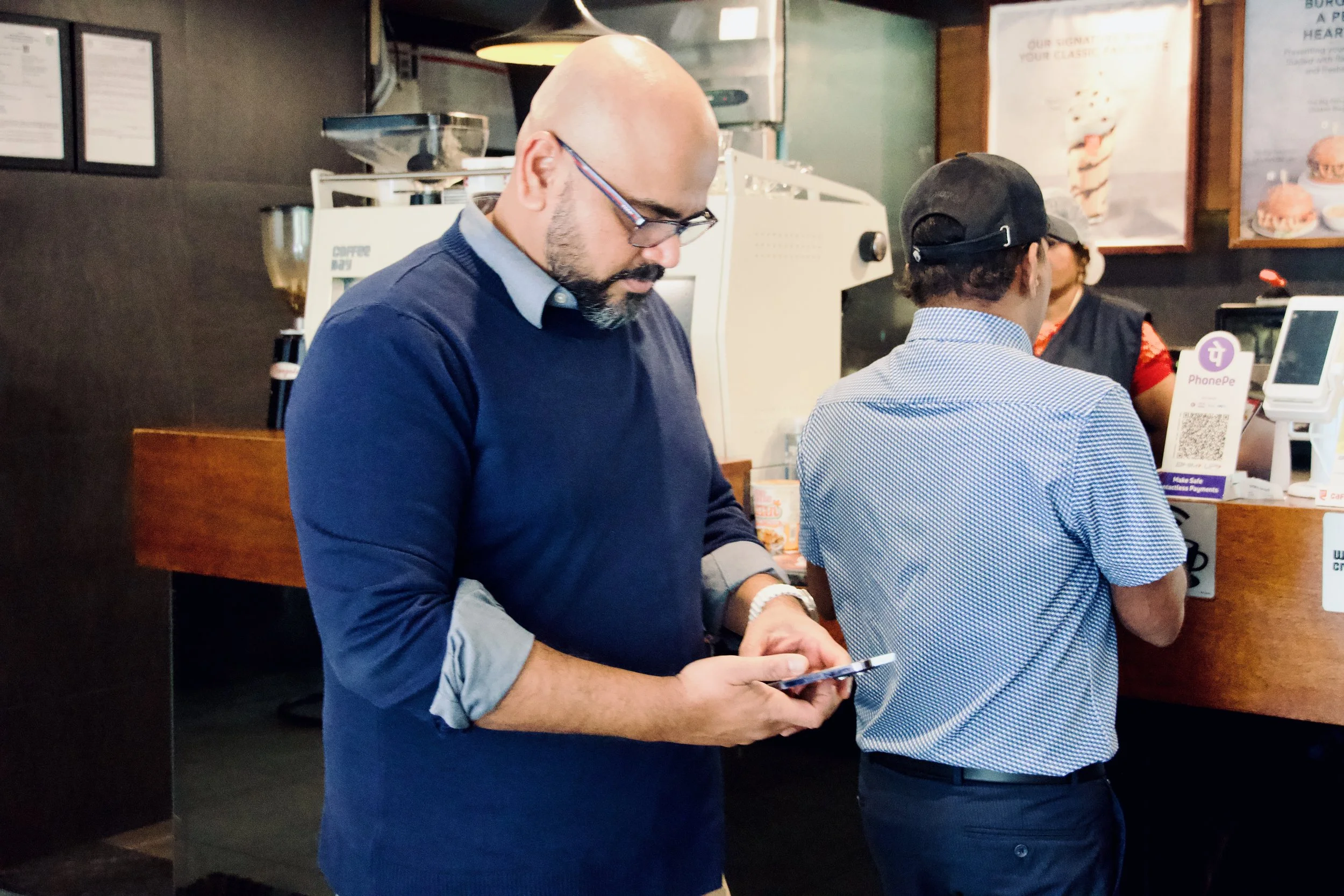
The trap of the work that made you
Every first-time CEO has a craft that got them here. For some it is engineering. For some it is sales. For me it was design. The trap is the same regardless. The work that earned you the title is no longer the work the title demands.
This sounds obvious until you live it.
The trap is not arrogance. It is comfort. After twenty years, the craft is the part of the day you trust. You sit down with a blank canvas and you know what to do. Decisions are made in minutes, in the place of your competence. Then you walk into a budget review where the answer is unclear, the data is incomplete, the politics are layered, and the cost of being wrong is measured in millions. So you walk back to the canvas. Just for a few minutes. Just to feel competent again.
That walk back is the failure mode of every first-time CEO I have watched.
What I had to un-learn
The first six months of the CEO seat are not a learning curve. They are an un-learning curve. The craft that defined you has to be put down, not because it stops being valuable, but because doing it yourself is now the most expensive thing you can do with your hours.
I had to un-learn three things in particular.
One: my taste is not the company's taste. When I redesigned that category page at 11pm, I was substituting my eye for the team's. A good page made by my team is worth ten great pages made by me, because the team can make a thousand more. My ten-minute fix erased their ownership and trained them to stop trying.
Two: my time is not mine. The first-time CEO has a calendar problem they do not see. Every hour spent inside the craft is an hour not spent on the board, the cash, the team, the customer. Those four things will kill the company. The page will not. The math of attention is brutal once you see it.
Three: my judgment has to compound, not my output. A CEO who keeps producing is a CEO who is not building. Building means hiring, structuring, deciding, and saying no. None of those feel like work to a craftsperson. They feel like meetings. They are the actual job.
The replacement instinct
What sits in place of the craft is harder to name. It is closer to gardening than to making. You walk the floor. You ask the question that surfaces the issue the team is avoiding. You decide one hard thing per day. You hire one person better than the last. You write the strategy memo. You repeat the strategy in every meeting until you are bored of your own voice, and then you repeat it eight more times because the team has only heard it twice.
This work is invisible at the start. It does not produce a portfolio piece. There is no Friday demo. You will go a quarter where it feels like you did nothing, and then a number will move, and you will not be sure if it was you.
It was you. The garden does not show its work in the same week as the watering.
How to know you have made the transition
There are three small signals I watched for in myself, late in the first year.
First, I stopped redlining other people's work without being asked. The instinct to "fix" was the instinct to control. When the instinct settled, the team grew.
Second, I started leaving meetings without solving the problem in the room. I gave the problem back to the person whose problem it was. They solved it better than I would have, because they had context I did not.
Third, I caught myself thinking in years rather than weeks. A CEO who thinks in weeks is still doing their old job. A CEO who thinks in years is starting to do the new one.
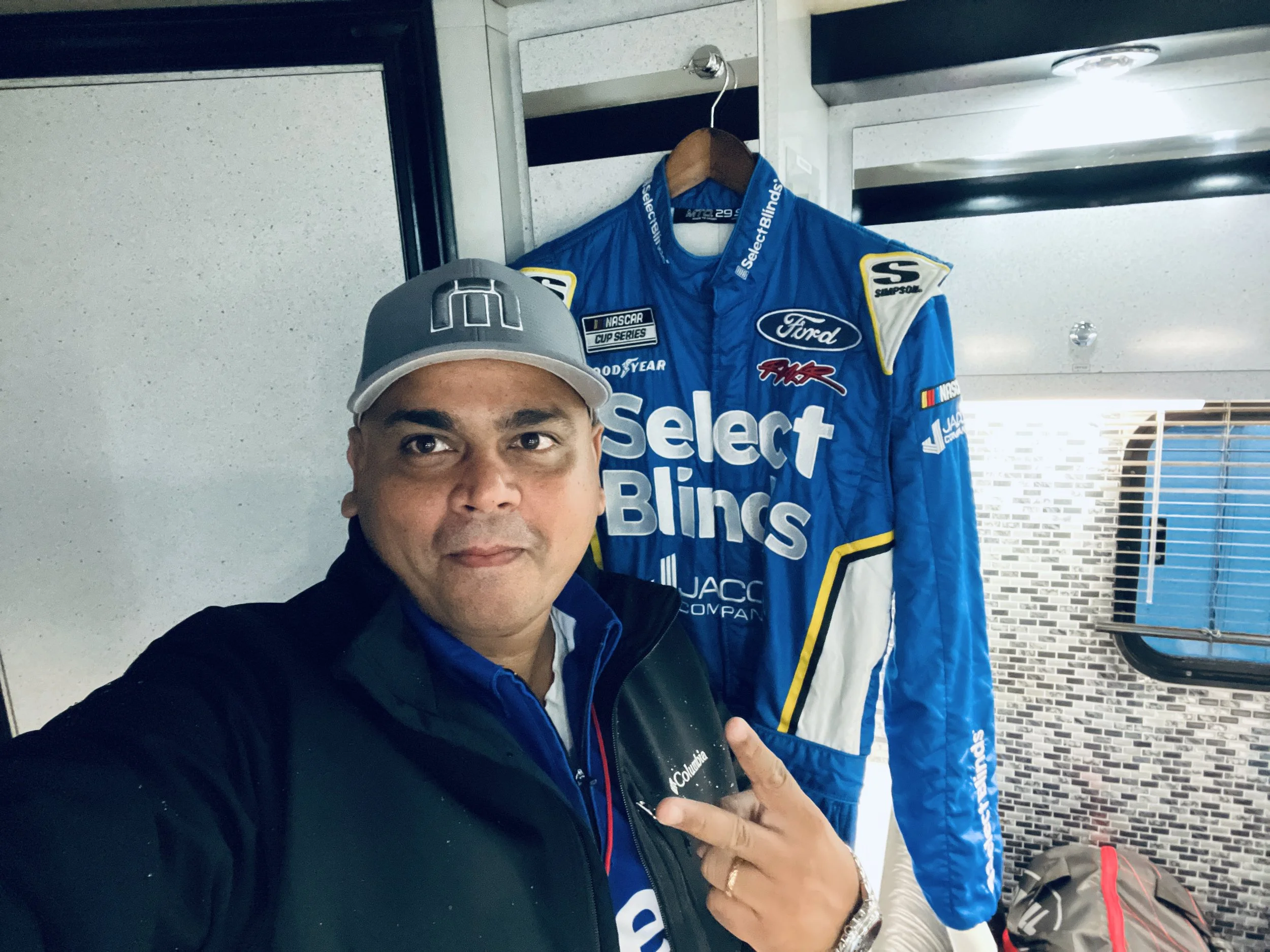
The wisdom under the lesson
There is a teaching in the Gita that I came back to in that first year. Krishna tells Arjuna to act without attachment to the fruit of action. For a craftsperson, that line cuts deep. The craft is fruit. The page that converts. The frame that ships. The proud forty seconds. To put the craft down is to act without that fruit, and to find a new ground to stand on.
The new ground is the team. The customer. The covenant you made with the board. The job is to keep those three healthy, and to let other people pick the fruit.
I did not learn this on schedule. I learned it the way most first-time CEOs do, by catching myself at 11pm with a page I should not have been touching, and feeling the difference between proud and useful.
What I would tell my first-day self
Put the keyboard down. Walk the floor. Ask the question that scares the team. Decide the hard thing. Repeat the strategy. Repeat it again. The craft made you. It will not make the company.
The day the craft has to end is the day you sit in the seat. The hard part is that no one tells you. You catch yourself, or you do not.
Most first-time CEOs do not catch themselves. The ones who do, run companies.
This is the first essay in a series on first-time CEO lessons.