Blog
Retrospective reflections written in 2026 on operating roles from 2000 onward.
Hire People Who Scare You: The First-Time CEO's Hardest Move
Most first-time CEOs hire who they like. The job is to hire who they need. A retrospective on the moment my company started compounding.

EBITDA Is a Moral Document
We doubled EBITDA from 10% to over 20% in three years. The work was not financial. It was the decision to say no to a hundred things that did not earn their oxygen.
The Day the Craft Has to End: What No One Tells First-Time CEOs
Twenty years of design craft did not prepare me for the CEO seat. They prepared me for the seat I had to leave behind.
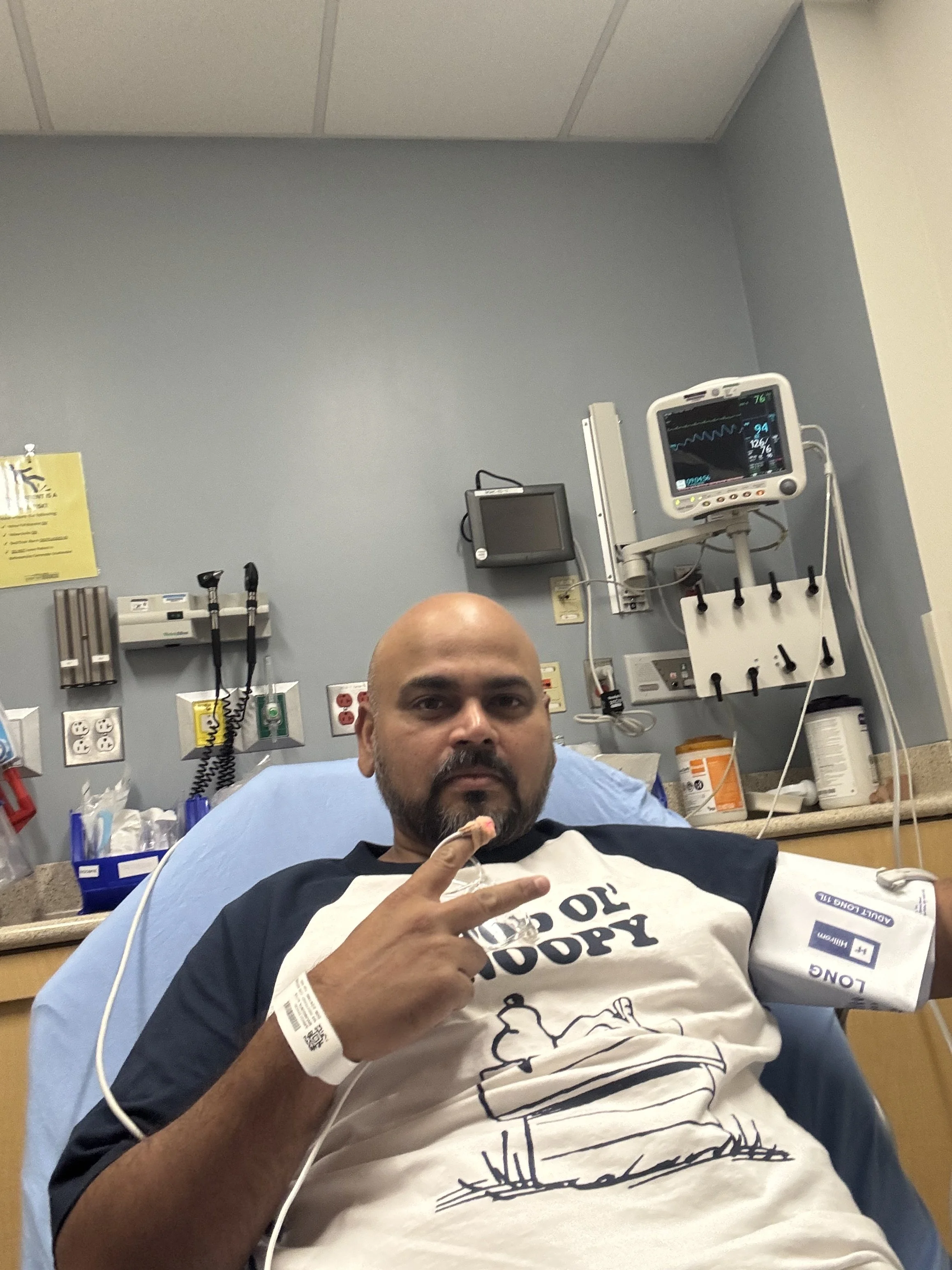
I Gave AI My Lab Results, My Prescriptions, and 30 Supplements. What It Told Me No Doctor Ever Had.
I am not a doctor. I want to say that at the start, not as a legal disclaimer, but as context for why what happened next surprised me.
I have spent 25 years making decisions inside large organizations — reading data, mapping dependencies, catching the thing nobody mentioned in the meeting that would break everything six weeks later. I thought I was reasonably good at holding complexity in my head.
Then I gave an AI my actual health data and asked it to audit my supplement stack. What came back made me rethink what I understood about the technology — and about where the real opportunity in AI is going to be found.
What it would take to make eyewear iconic
A POV piece. Not a retrospective. Written May 9, 2026, the week I applied for a job that may or may not be mine, in a category nobody has cracked yet.
Loyalty Is Not a Program. It's an Operating System.
For thirty years, retailers have called their loyalty work "programs." That word is the problem. That model is dead, even if its budget is still funded.
The Moment I Stopped Thinking Like a Designer
I was in a conference room at Nike's World Headquarters in Beaverton, presenting the latest iteration of our commerce platform. The interface work was clean. We'd spent months on information architecture, user flows, behavioral models. The work was good.

What I Misunderstood About Scale
By 2004, Nike's digital commerce platform was live. We had built it from nothing — the company's first consumer commerce application — and it worked. Orders came in. Revenue climbed. The natural next question was: how do we scale this?

When Alignment Is the Real Bottleneck
We blame speed, resources, and competition. But most companies stall because the people in the room cannot agree on what they are building.
Architecture Decisions That Outlive Teams
The code you write today will be maintained by people you will never meet. The org chart you draw will outlast everyone in the room. Choose accordingly.
Channel Conflict and the Politics of Direct-to-Consumer
In 2003, selling direct was an act of rebellion inside a wholesale company. The lesson: economics always wins arguments.
Influence Without Authority
For the first decade of my career, I owned nothing. No P&L. No headcount budget. No final say. But I learned how to move things anyway.
Designing for Behavior Before 'Growth' Existed
Before growth teams, before funnels, before A/B testing at scale—there was just watching how people actually used the thing you built.

Why Early Ecommerce Failed (and What Survived)
Between 2000 and 2006, most digital commerce initiatives died. The ones that survived shared patterns I didn't recognize until years later.

9/11 and Leading Through Uncertainty
Twenty-five years ago, the world changed overnight. I was at Nike, building something unproven, when uncertainty became the only constant.
Building Commerce in a Post–Dot-Com World
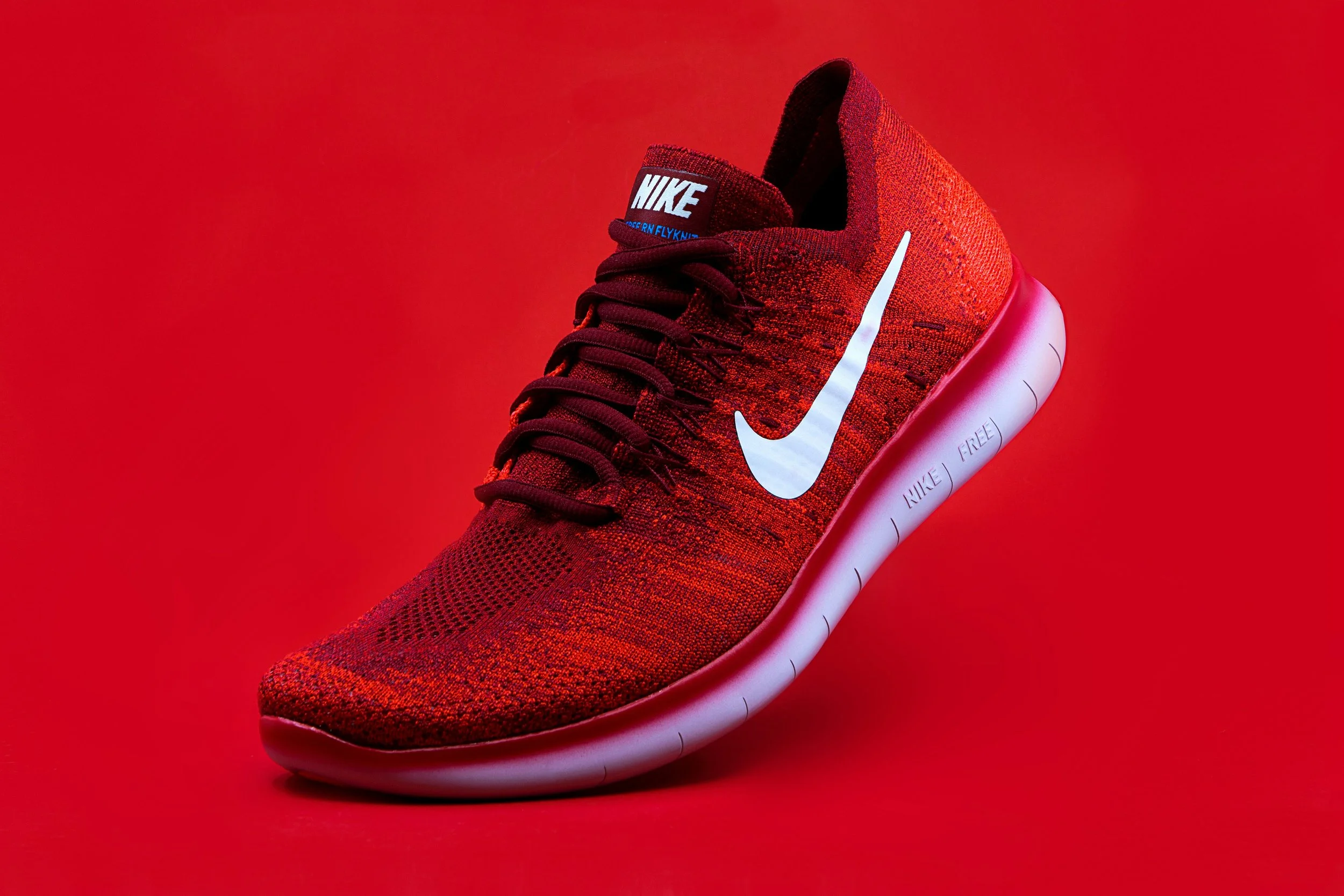
In 2000, the internet had just been humbled. The dot-com crash reset expectations across every boardroom. Capital retreated. Public markets corrected sharply. Digital initiatives that had been treated as inevitable were suddenly treated as speculative.